
The Main Benefits of Cloud Computing Services
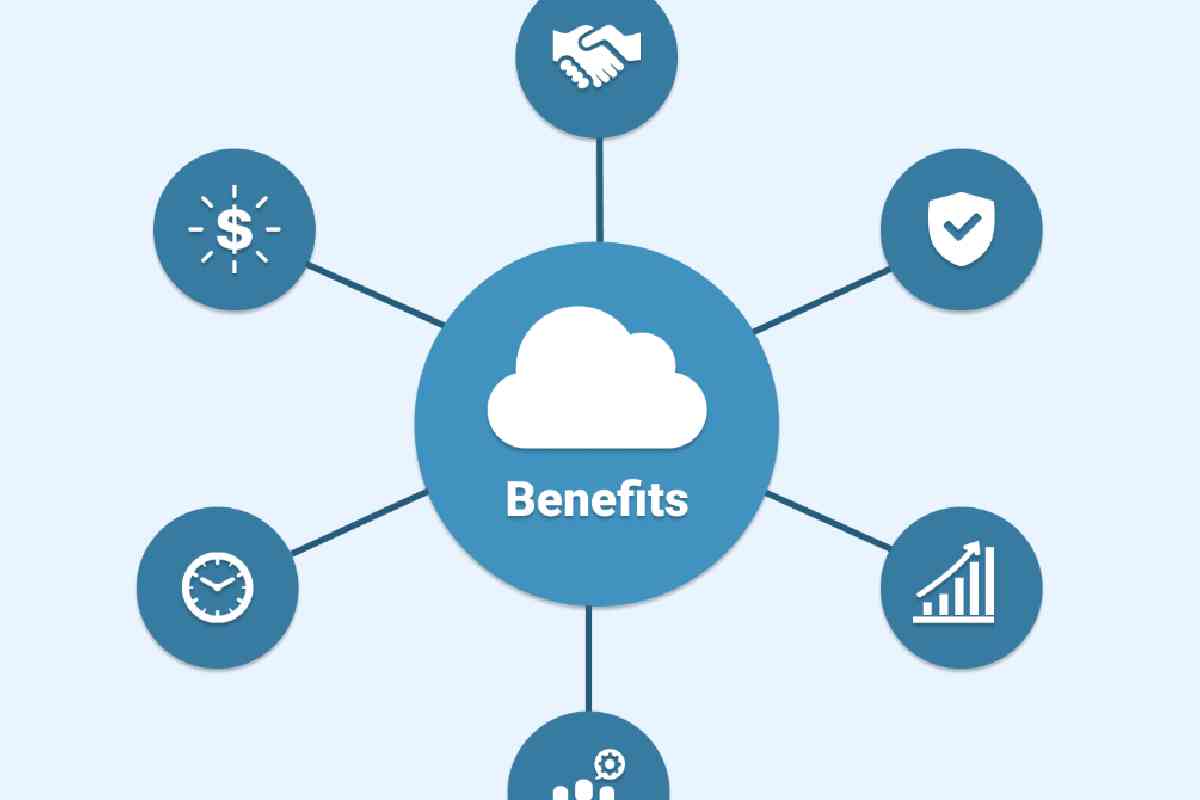
The emergence of cloud computing services over the last few years has allowed companies to enjoy a number of benefits, especially increased flexibility and access to modern tech. Indeed, if you are a small business owner and you do not have the relevant in-house knowledge to implement a cloud computing system, you should be aware that a variety of providers are available on the market. In addition, the widespread adoption of cloud computing services has increased dramatically over the last few years while more companies than ever are realising the various benefits they could enjoy by using modern tech.
As a result, if you are looking for a fantastic way to improve your daily operations as well as use a central repository for your communications, data and IT systems, you should think about using a cloud computing services provider as soon as possible. For more information about the various cloud computing services providers that are available in a particular area, you should think about checking a search engine as you will be able to identify several companies that you can contact.
Table of Contents
The Global Cloud Ecosystem (Visual Overview)
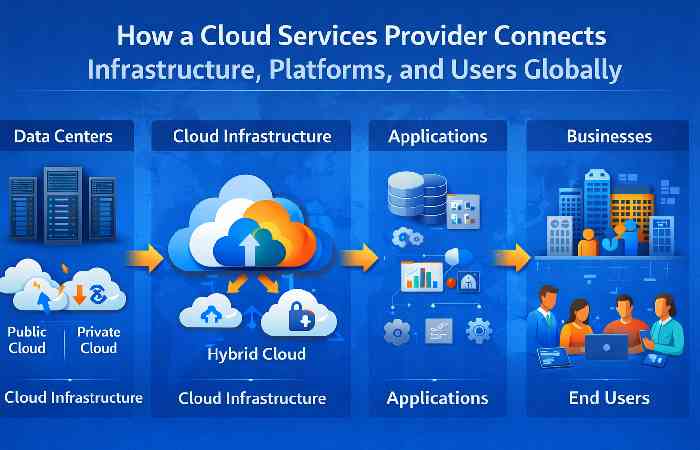
What Does a Cloud Services Provider Actually Do?
A Cloud services provider delivers computing resources—such as storage, networking, applications, and security—over the internet. Instead of managing physical servers, businesses use scalable cloud infrastructure maintained by a Cloud services provider.
Globally, organizations adopt managed cloud services to:
- Improve scalability
- Strengthen data security
- Support remote work
- Enable digital transformation
A Cloud services provider typically offers Infrastructure as a Service (IaaS), Platform as a Service (PaaS), and Software as a Service (SaaS).
For foundational understanding of cloud computing models, see:
https://aws.amazon.com/what-is-cloud-computing/
https://azure.microsoft.com/en-us/resources/cloud-computing-dictionary/what-is-cloud-computing/
Increased Flexibility
One of the main benefits of cloud computing services is that you can enjoy a flexible solution as well as a central repository for your data and IT systems. In addition, you should also be aware that the term cloud computing is used to describe the use of hardware and software which does not require you to manage the in-house components of an IT infrastructure part of your business. In addition, you should be aware that a cloud services provider can give your business a number of benefits, especially increasing accessibility to your operating systems and improving data security.
Global Adoption of Cloud Computing
Cloud adoption continues to grow across all industries.
Global Cloud Adoption Growth
| Year | Global Cloud Adoption Rate |
| 2018 | 48% |
| 2020 | 61% |
| 2022 | 73% |
| 2024 | 82% |
| 2026 (Projected) | 90% |
Businesses increasingly rely on a Cloud services provider to support enterprise cloud hosting and hybrid cloud environments.
Implement New Technology
Traditional computing systems are based around the use of clients and servers, while cloud computing systems can provide you with a variety of different platforms, applications and an infrastructure to allow your employees to carry out their daily work operations from anywhere on the planet as long as they have Internet access. In addition, it is pertinent to be aware that cloud computing services can provide you with a great way to install new applications that you may want to use as well as ensure automatic updates and regular data backups for your software across a variety of devices.
Types of Cloud Computing Solutions
Understanding cloud service models helps businesses choose the right Cloud services provider.
Cloud Service Models Explained
| Service Model | What It Includes | Best For |
| IaaS | Virtual servers, storage, networking | IT infrastructure replacement |
| PaaS | Development platforms & tools | App development teams |
| SaaS | Ready-to-use software via browser | CRM, email, collaboration |
| Hybrid Cloud | Mix of public & private cloud | Enterprises needing control |
| Multi-Cloud | Multiple cloud vendors | Risk distribution & flexibility |
A professional Cloud services provider may specialize in one or combine multiple service models.
Reduce Your Operating Costs
Lastly, it is important to understand that cloud computing services can provide you with a cost-effective way of maintaining and implementing several IT services. Moreover, you will not have to invest in hardware or software licensing while you will not have to hire and manage an IT team in order to implement and carry out admin on the system on a regular basis. As a result, if you are looking for a fantastic way to implement new technology in an effective way, you should think about using cloud computing services in the near future.
- Increase flexibility for your IT systems
- Implement new technology
- Reduce running costs
Therefore, in conclusion, if you are looking to increase the amount of flexibility for your employees as well as implement different types of technology and reduce your operating costs, you should think about implementing cloud computing services as soon as possible.
Cost Comparison – Traditional IT vs Cloud Infrastructure
IT Cost Comparison
| Cost Factor | Traditional IT | Cloud Infrastructure |
| Hardware Investment | High upfront | None |
| Maintenance | Internal IT team | Managed by provider |
| Scalability | Limited | On-demand |
| Software Updates | Manual | Automatic |
| Disaster Recovery | Expensive | Built-in options |
Estimated Savings Using a Cloud Services Provider
| Area | Average Savings |
| Hardware Costs | 30–40% |
| IT Staffing | 25–35% |
| Downtime Reduction | 20–30% |
| Energy Costs | 15–25% |
Using a Cloud services provider reduces capital expenditure and improves operational efficiency.
Reasons Companies Switch to a Cloud Services Provider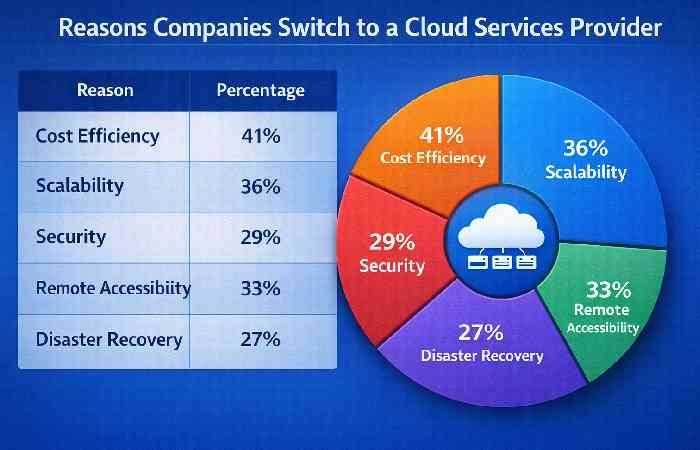
How to Choose the Right Cloud Services Provider
Selecting a Cloud services provider should be strategic.
Key Evaluation Criteria
- Data security & compliance certifications
- Global data center presence
- Service uptime guarantees (SLA)
- Integration with existing systems
- Transparent pricing models
Cloud Provider Evaluation Checklist
| Criteria | Why It Matters |
| Security Standards | Protects business data |
| Scalability | Supports business growth |
| Customer Support | Ensures reliability |
| Pricing Transparency | Prevents hidden costs |
| Backup & Recovery | Ensures business continuity |
Choosing the right Cloud services provider directly impacts digital resilience.
Conclusion
Cloud computing has become a critical driver of global digital transformation. By working with a reliable Cloud services provider, businesses can enhance scalability, improve data security, reduce operational costs, and deploy modern applications faster. Whether adopting hybrid cloud, SaaS platforms, or enterprise cloud hosting, organizations worldwide now view cloud infrastructure as essential—not optional.
Choosing the right Cloud services provider ensures flexibility, resilience, and long-term growth in an increasingly digital economy.
